
Reworked Parts Re-enter Production—Why Does the System Show Extra Conforming Output?
The night shift sends 20 out-of-specification parts back for rework. The early shift reworks and reports them again, but the original conforming quantity is not reduced, so the system appears to create 20 additional parts even though the physical quantity is unchanged.
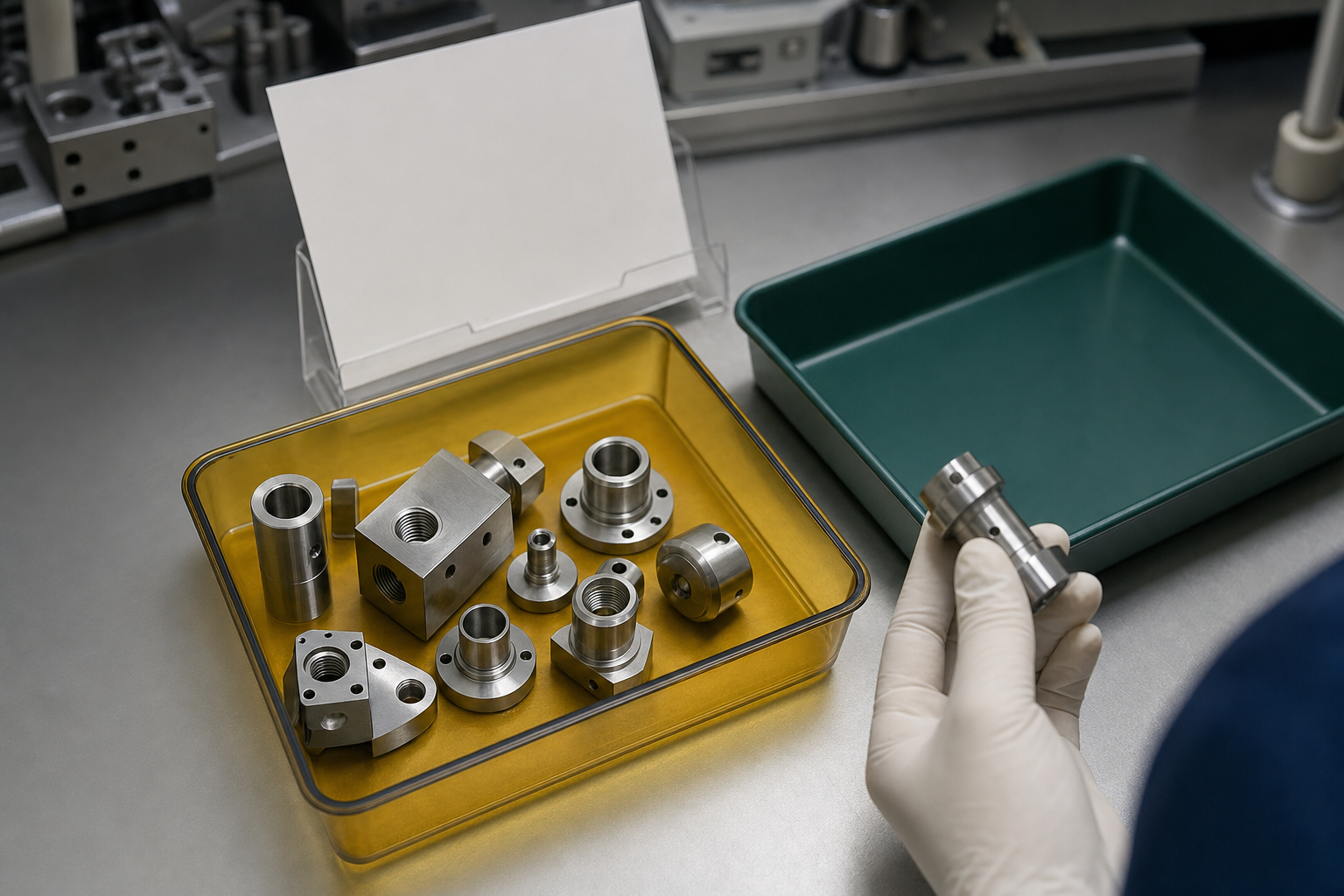
The night shift sends 20 dimensionally out-of-specification parts back for rework. The early shift reworks and reports them again, but the warehouse finds that the original batch’s conforming quantity was not reduced while the rework order added 20 conforming parts. The physical quantity is still the same 20 pieces, but the system appears to have created another batch.
This is a common scenario in discrete manufacturing, not pointing to any specific company. The most dangerous aspect of the rework process is not just double-counting the quantity, but once the parts leave the original batch, they lose their identity, making it impossible to trace them through subsequent processing, inspection, and warehousing.
What the factory owner is after is not who pressed the wrong button, but three things: whether the original quantity was frozen, whether the reworked parts can return to the original record, and whether the final conforming count can be realigned with the physical parts.
For factory owners, this is also a set of real-world issues regarding permissions and benefits: production wants to report quickly, quality is concerned about liability for incorrect release, and the warehouse bears the risk of discrepancies between records and physical inventory. If acceptance, transfer, escalation, and closure have no clear boundaries, minimizing actions will outweigh proactive verification.
First Breakpoint: Status Changed, Quantity Not Locked
When quality determines rework, the system often changes the status from pending to rework without synchronizing the freezing of the original batch's available quantity. The plan still shows twenty available pieces, and the rework work order treats the same batch of parts as new inputs, starting the duplication from here.
On the shop floor, the first minimal action should be: when generating a rework task, it must simultaneously record the original work order, original batch, returned quantity, and isolation location. The original record is preserved, but the available quantity is immediately reduced, not waiting until the rework is completed to adjust the records.
Permissions for warehouse and quality control must be clearly defined. Quality is responsible for determining the disposition, while the warehouse handles physical isolation. Production can only retrieve items that have been released for rework. If all three parties can freely adjust quantities, no single document can serve as the sole reference.
Second Breakpoint: Rework Treated as a New Production Run
Rework involves new processing steps, but the part's identity remains unchanged. The system can generate new tasks but cannot create a batch of unrelated new products. Each rework must trace back to the original item and record the state changes before and after rework.
At least five fields must be linked: original batch, rework task, physical container, reinspection result, and final disposition. When unpacking, consolidating, or splitting rework batches, the quantity distribution must be recorded, not just noted in remarks as 'processed'.
Medium-sized growing factories are most prone to inaccuracies here: roles are separated, systems are in place, yet production, quality, and warehouse each maintain their own numbering system. Small factories can start with a single rework transfer form, while large factories should embed parent-child relationships into system rules.
Third Breakpoint: Re-inspection Passes Only Add to Account, Not Reversed
After reinspection approval, the shop floor often only cares about whether the parts can be released for storage. If the system directly adds a new count of conforming parts without closing the original rework quantity, it will leave three separate numbers: original conforming, rework in progress, and reinspection conforming.
Correct closure requires a quantity reconciliation: how much was deducted from the original batch, how much was reworked, how much was scrapped, how much passed reinspection, and how much is pending. The five numbers must trace back to the same physical batch; if even one item is missing, the status should be held in pending verification.
Factory owners conduct weekly spot checks on three rework records: first, tracing from finished goods back to the original batch; second, verifying the entire rework destination against the original batch; and third, reconciling the recorded quantity with the physical inventory in the isolation area. If any of these three steps do not match, do not hastily attribute the issue to employees' careless data entry.
Not all factories need to immediately implement a complex system. First, align responsibilities, authorizations, data fields, and physical containers; only after the rules are stable should they be solidified, to prevent frontline staff from making more errors due to overproduction and returning to verbal handling.
Rework is not simply re-producing the parts; it is allowing the same physical items to undergo a controlled change. Maintaining identity, quantity conservation, and traceability ensures that conforming products in the system do not increase with rework.
I am Huang Chaoxing, inventor of the TreeMES stack-light MES system. Follow me for in-depth insights into the management logic behind frontline stories in manufacturing.