
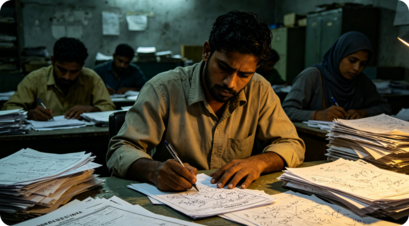
Paper reporting creates blind spots
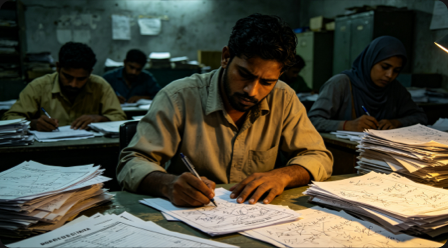
Forms completed after the event use inconsistent definitions and make responsibility difficult to trace, leaving managers without a reliable view of progress.

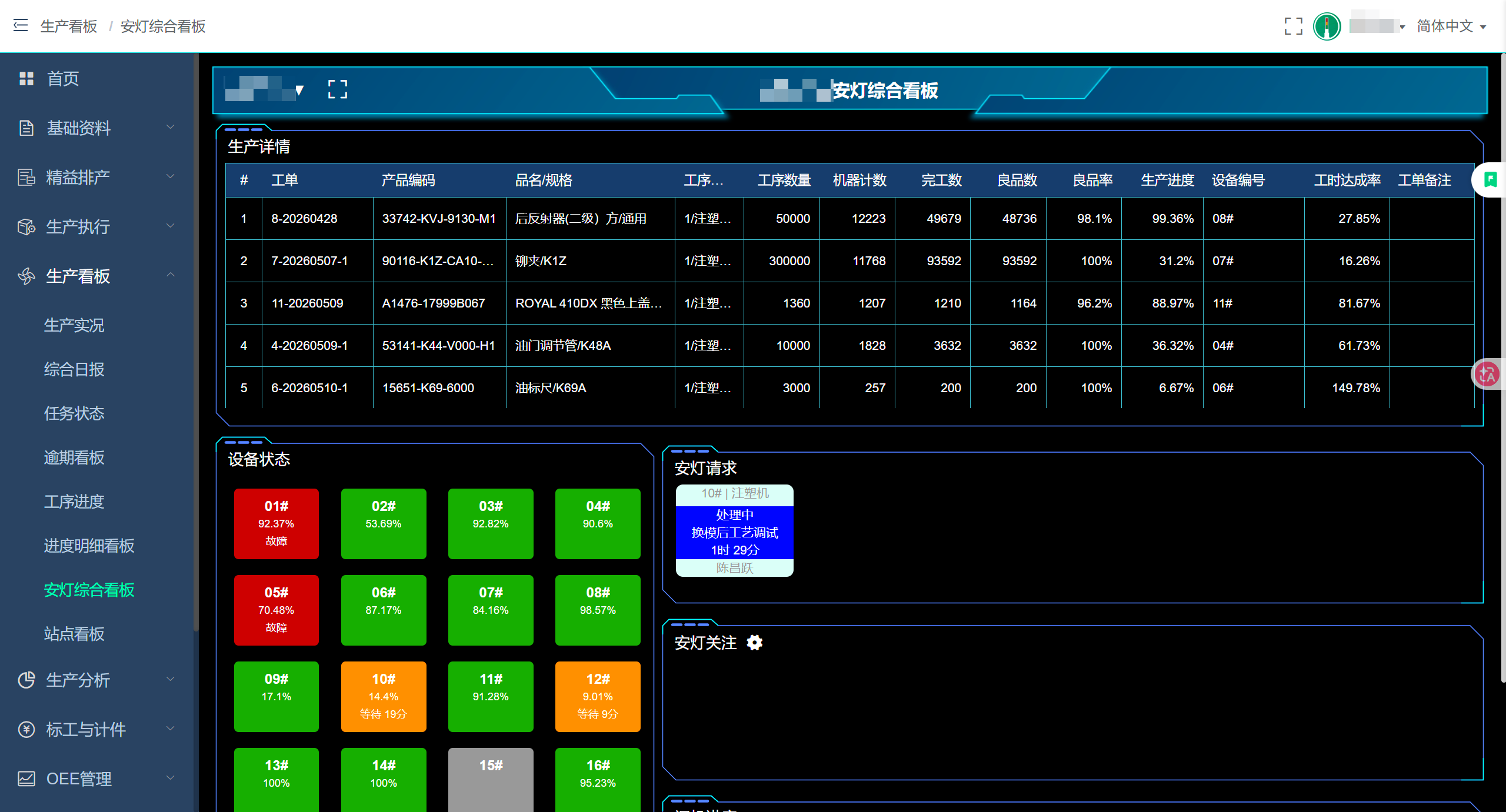
A practical MES path for manufacturers in China. Connect legacy machines and start with the production decisions that matter most.
Establish a baseline for utilisation and downtime
Expand only after the value is verified
Unclear progress, unexplained downtime and inconsistent reporting eventually become delivery, cost and customer risks.
Forms completed after the event use inconsistent definitions and make responsibility difficult to trace, leaving managers without a reliable view of progress.
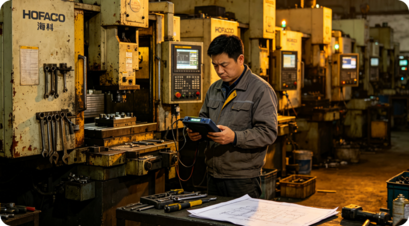
Machines of different ages and brands lack a common interface. Factories need data without introducing unnecessary production-disruption risk.
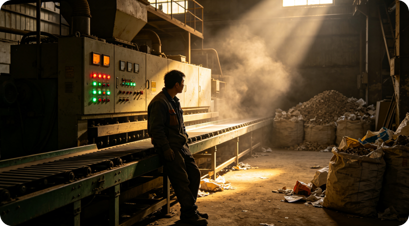
A machine may appear busy while waiting for material, people or maintenance. Without cause data, teams cannot prioritise improvement.
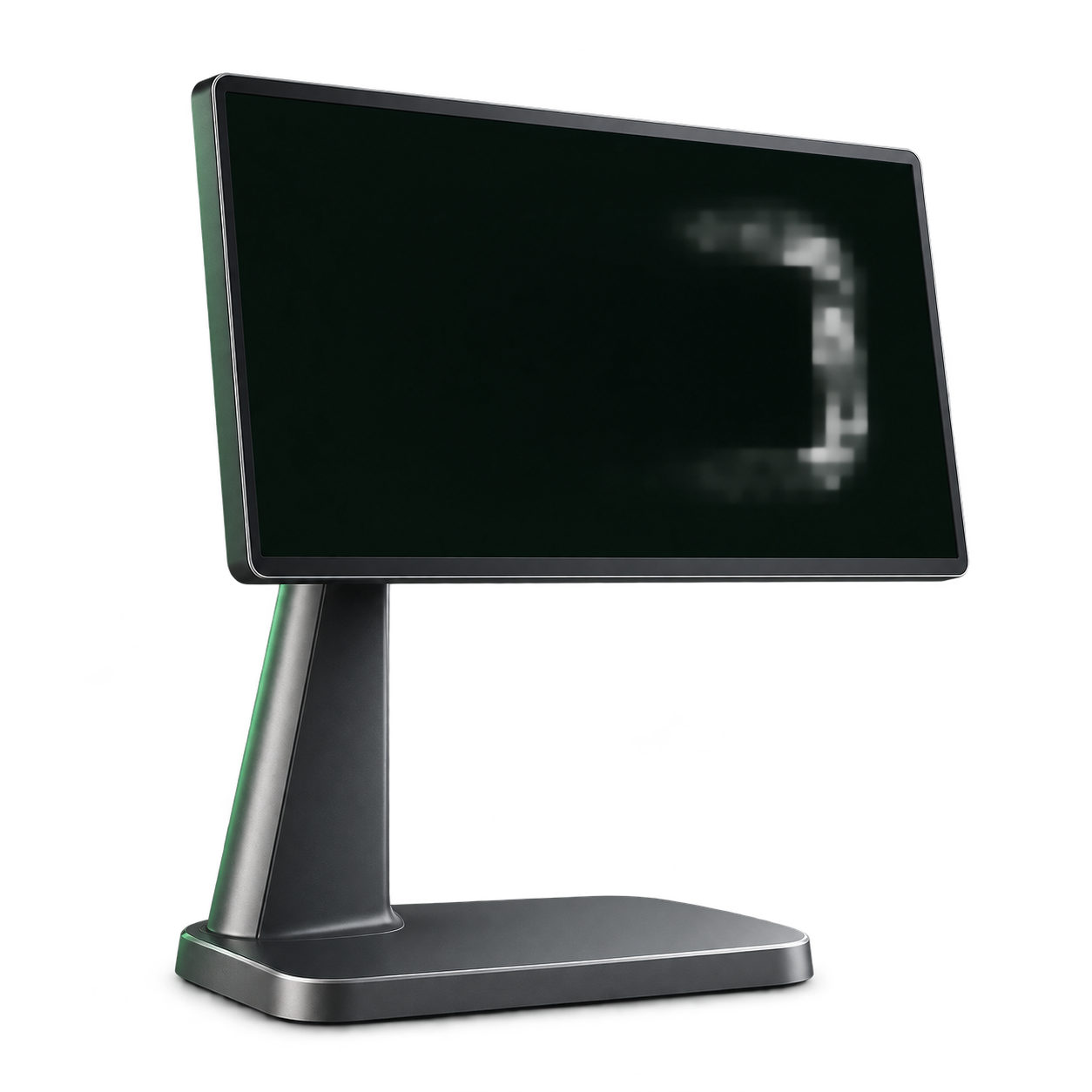
Smart stack lights and shop-floor terminals connect machine status with business context—without replacing legacy equipment or relying on repeated manual transcription.
Non-invasive installation: Where site conditions permit, an electrician can install the device without rewriting the machine program or control logic. Validate the data before expanding the scope.
A common status language for different machines: Depending on site conditions, TreeMES can read pulses and mould-cycle actions or evaluate current sensing and laser counting. Green records runtime; yellow and red help identify waiting and faults. The final method requires machine and electrical assessment.
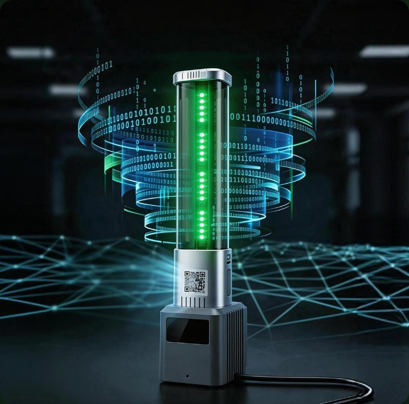
Reduce handwriting and duplicate entry: Machine runtime is captured automatically. When an issue occurs, operators use large visual controls to request help, add a reason and leave a traceable resolution record.
Lower the learning curve: Chinese and English interfaces with icon-led workflows help new employees understand reporting, maintenance requests and inspection steps more quickly.
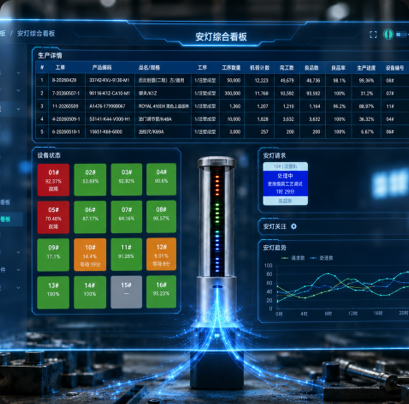
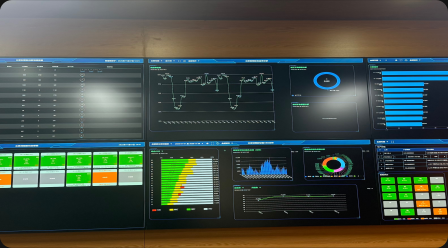
Give management one view of shop-floor facts: Machine status, order progress, downtime causes and OEE feed the same dashboard for owners, factory directors and production managers.
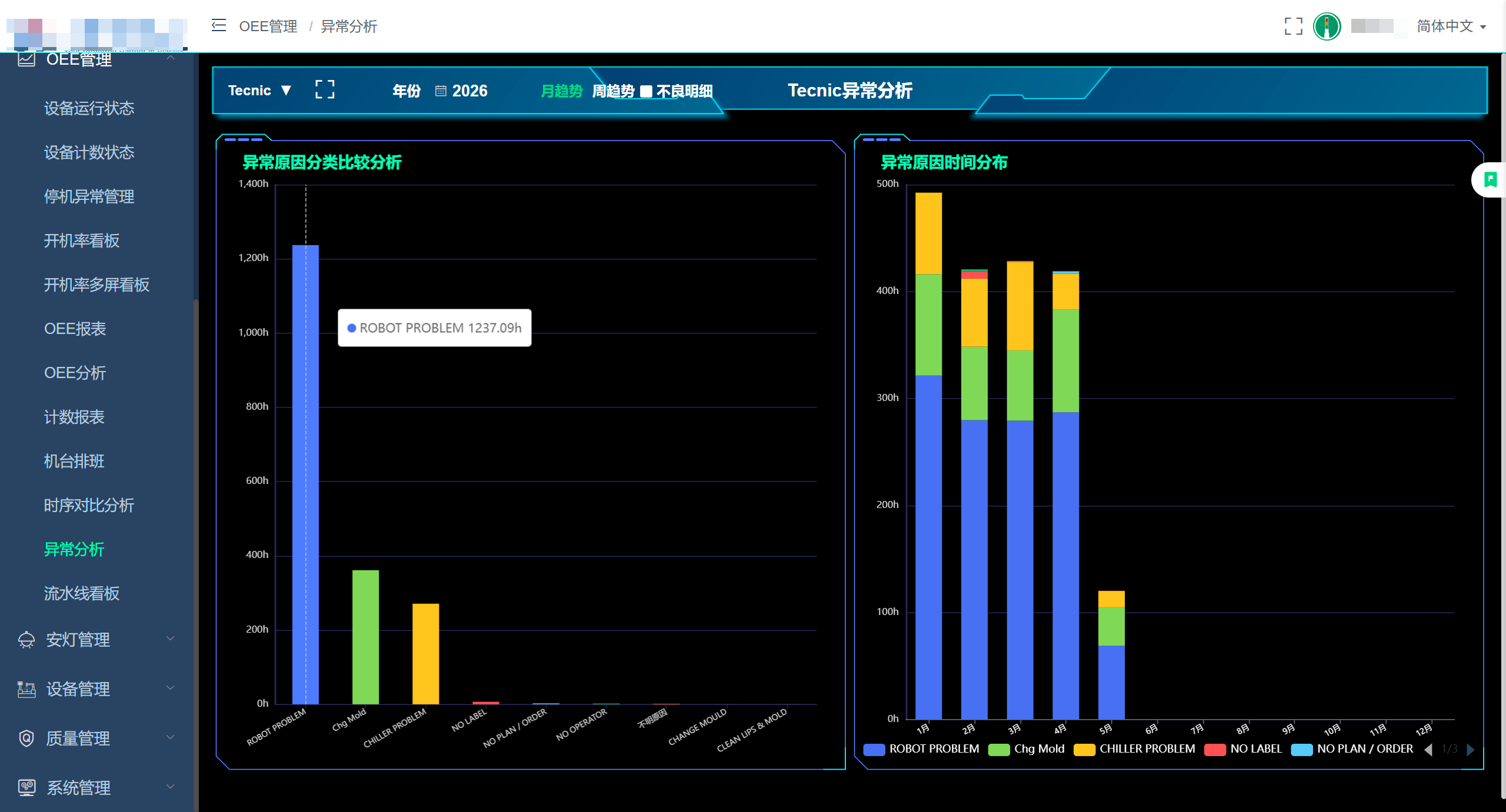
Move from visibility to improvement: Waiting and fault durations are ranked by cause so teams can focus on the largest losses and track whether issue response is closed.

Real data and green-light rates measure improvement—not abstract promises.
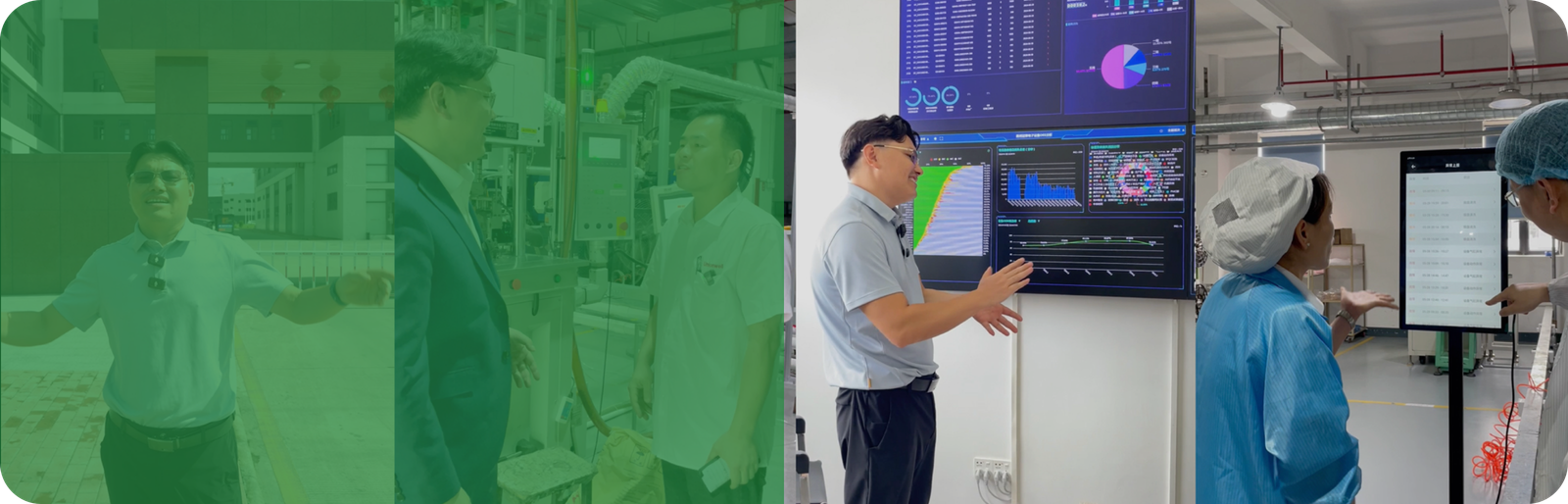
Result: Machine utilisation rose by 20% in two months.
Teams no longer need to shout across departments. Andon response time fell to under 5 minutes.
Verified case data is being prepared.
This industry visual is temporary and will be replaced with a verified customer story.
Verified case data is being prepared.
This industry visual is temporary and will be replaced with a verified customer story.
Verified case data is being prepared.
This industry visual is temporary and will be replaced with a verified customer story.
Verified case data is being prepared.
This industry visual is temporary and will be replaced with a verified customer story.
Start with critical machines, establish the downtime baseline, verify the data and workflow, and expand only when the improvement value can be measured.
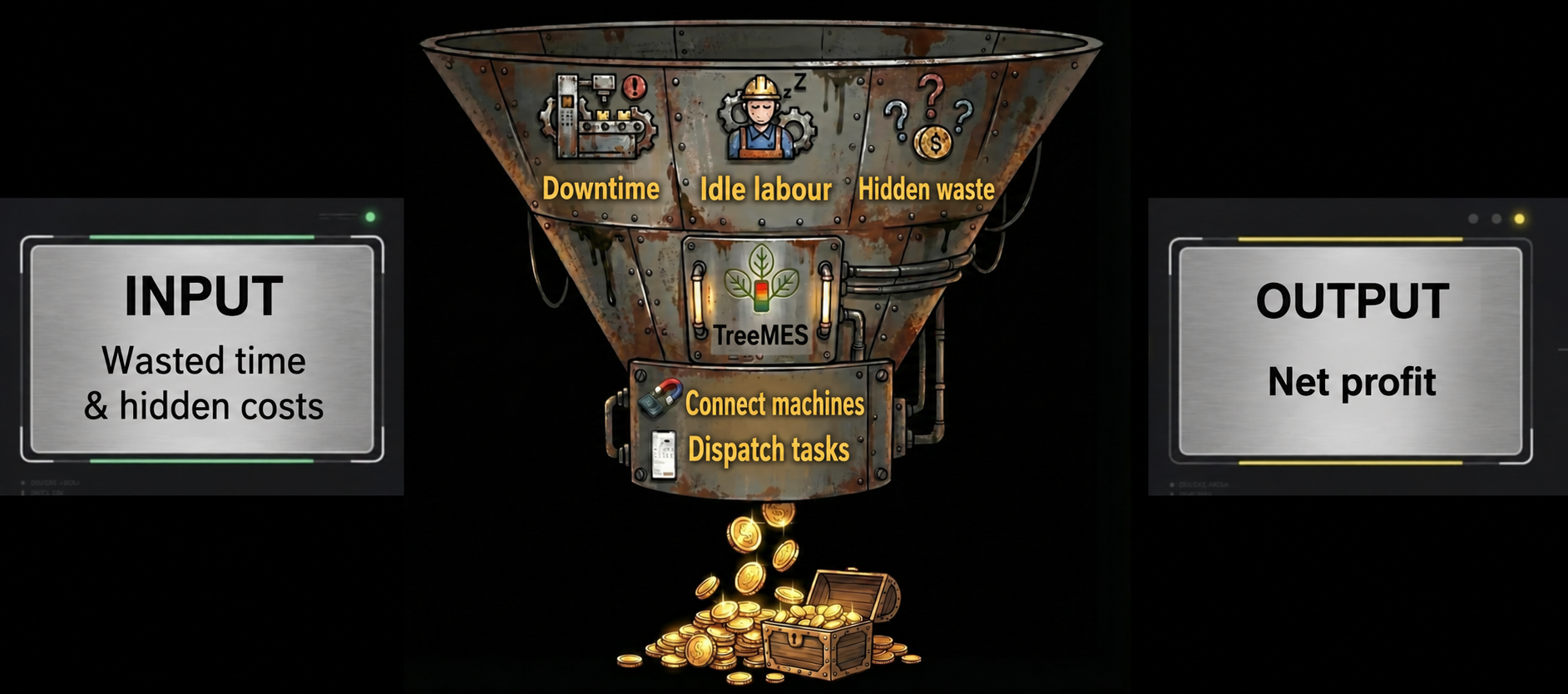
Start with a small group of critical machines. Scope, pricing and targets are confirmed through site assessment and a formal proposal.
The smart stack light is an entry point for machine status, issue causes and improvement actions. The published Huizhou Guantai outcome is project-specific and does not guarantee the same result for every factory.
Machine assessment, hardware installation, master data, training, trial operation and usage reviews give each stage an owner and acceptance basis.

Machine, data and process issues follow an agreed escalation path so decisions are made before go-live rather than deferred until afterwards.
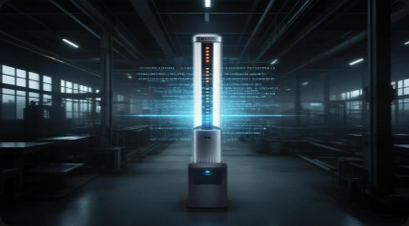
A standard project usually takes one to three months. The actual schedule depends on machine count, collection method, site readiness and implementation scope.
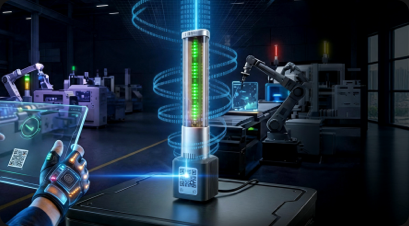
Machine assessment → hardware installation → master data → training → trial operation → usage review
R&D, product and delivery teams connect machine data, shop-floor workflows and ongoing service for manufacturers in China.
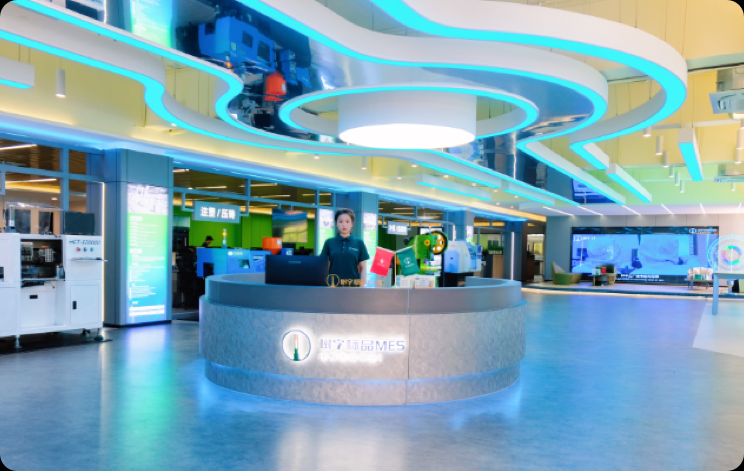
Our lead architect brings Tencent experience in high concurrency and reliability. Security, backup and deployment boundaries are agreed before implementation.
A product, R&D and delivery team of over 100 continues to improve the platform. The service entity, scope and responsibilities are confirmed before collaboration.
The delivery team understands production and material-control work as well as software, with a focus on whether data can be used consistently on the shop floor.







Validated through manufacturing practice; key outcomes are tied to published cases and project acceptance data
Direct answers on legacy-machine connectivity, implementation time, shop-floor adoption, offline recovery and system boundaries.
They can often be assessed for connection. TreeMES can read digital or pulse signals, or evaluate current sensing, without rewriting the machine control logic. The final method depends on the machine and electrical conditions.
No. Our 4G stack light stores the latest 18,000 colour-change records and automatically uploads them to the cloud when the connection is restored.
We recommend starting with the OEE edition. Install stack lights, create digital dashboards and manage issue resolution. Build confidence with a small, low-cost win.
Book a 15-minute needs discussion. Bring one critical machine type, one delivery issue or one downtime record, and we will identify a testable starting point.

Enterprise WeChat: Xu Haichen (Marketing)