
Work Order Complete, but No Shippable Box? Connect Production Reporting to Warehouse Status
At 4 p.m., sales pressed for an order that must be shipped the next day. The production board showed the work order as completed, but the warehouse reported only a few boxes of visually identical products on the shelf, none of which could be confirmed for direct shipment.
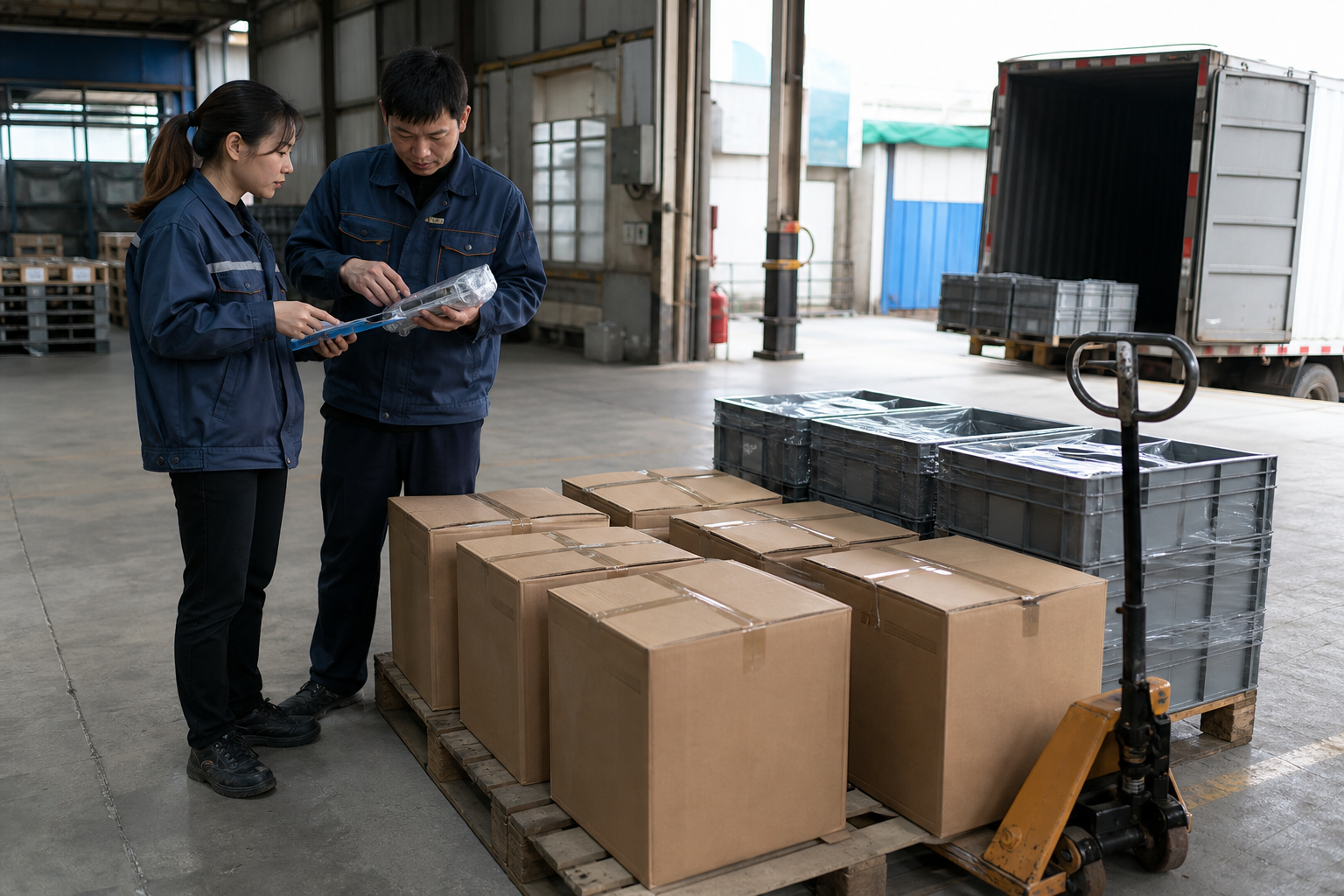
The work order has been reported and completed, why can't the warehouse find the box that can be shipped?
At 4 p.m., sales urged a customer to ship an order the next morning. The production board showed the work order had been reported complete, but the warehouse said only a few boxes of similar-looking products were on the shelf, none of which could be confirmed for shipment.
The shop floor supervisor and warehouse staff traced back from the final process. The packaging area said the products had been packed, the inspector said the sample inspection was passed, and the operator could point out the general area. Everyone had a piece of the truth, but no one could connect them into a complete chain.
Completion marks the end of the production process
The system's 'complete' status usually only indicates that the planned quantity has been reported. It does not automatically mean the products have been packed, quality released, labels assigned, or storage locations confirmed, let alone that the box meets the shipping conditions for a specific order.
The issue lay in several statuses being collapsed into one green icon. When the last product was off the line, the operator reported the work first; the inspection results came back a few minutes later; the packer temporarily changed the carton; and the forklift moved the goods to a different aisle. The interface still showed complete, but the physical relationships had already broken.
Upon further investigation, the warehouse found two boxes shared the same handwritten batch number. One box was missing two units, and the other had mixed in leftovers from the previous work order. To avoid misshipment, he had to freeze both boxes and wait for quality and production to recheck.
What is truly missing are four consecutive events
The first step is to confirm what was actually made. The work order number, product, batch, and actual quantity must correspond at the off-line point, not just a cumulative completion number. When there is a split, merge, or consolidation of leftovers, the new relationships must also be preserved.
The second thing is to confirm whether the item is ready for release. Inspection completion, concession acceptance, pending judgment, or rework must be independent statuses. Physical items that are still under inspection after production should have a clear isolation location and should not share the same available status with shippable inventory.
The third thing is to confirm where the item is now. From the packaging station to the temporary storage area and then to the formal warehouse location, each movement must have an object, time, and recipient. Scanning only the warehouse location without scanning the logistics unit, or recording only that movement is complete without noting the destination, cannot answer the question of the item's location.
The fourth thing is to confirm which shipment the item belongs to. Picking, verification, palletizing, and handover to the carrier are new events. The binding of product batches with boxes, pallets, and orders must be completed at the time of the shop-floor action, not after loading onto the vehicle.
Start by running a closed loop with a single order
Such issues do not necessarily require a complex project. You can select a next-day delivery order and start from the last process, assigning a unique identifier to each logistics unit. Specify four mandatory scans: off-line, quality release, positioning, and handover for picking.
Team leaders should only monitor three anomalies: status skipping, quantity imbalance, and location timeout. If any of these occur, the current recipient should pause the flow and complete the facts. The system does not replace shop-floor judgment, but it must ensure that the next recipient knows the status they are receiving.
Motivations for positions should also be made clear. Warehouse staff fear responsibility for wrong shipments, production may think that after reporting production, it is no longer their responsibility, and team leaders often have more responsibility than authority. The boundaries of responsibilities for receiving, transferring, handling, escalating, and closing are unclear, leading people to prioritize self-protection and slowing cross-departmental cooperation.
Factory owners can forward this checklist to the plant manager and shop floor supervisor to verify the identity, status, location, and destination fields item by item. At the end of each day, only review the broken links, without distributing all anomalies evenly among frontline staff.
Not all factories need to implement individual-level traceability. Small factories can start with boxes or pallets, medium-sized ones can proceed to orders and batches; some mature factories already have automatic data collection and do not need to rebuild systems. They can first address missing handover events.
A week later, verify three things: how long it took the warehouse to locate the item, how quickly the responsibility was identified after freezing, and whether the shipping review can still detect unaccounted boxes. If there is no improvement, investigate the data collection points and handover rules first, rather than adding more fields.
I am Huang Chaoxing, inventor of the TreeMES stack-light MES system. Follow me for in-depth insights into the management logic behind frontline stories in manufacturing.
