
Production Reporting Complete—Why Is WIP Still Stuck between Two Operations?
Production reporting is complete—why is WIP still stuck between two operations?
Production Reporting Complete—Why Is WIP Still Stuck Between Two Operations?
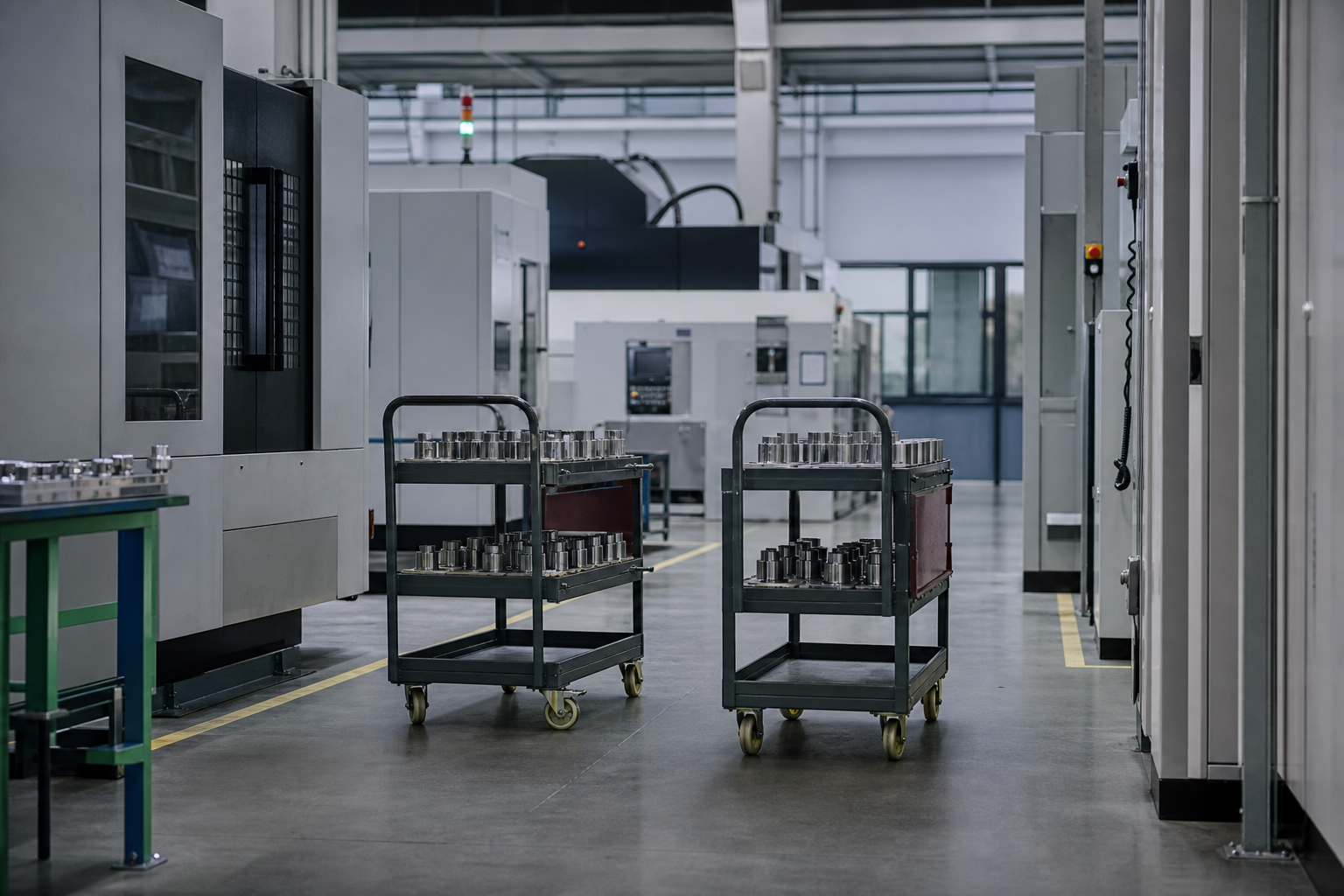
On Monday's early shift meeting, the previous process stated that 500 units had been reported completed overnight, while the subsequent process claimed only 380 units had been received. The system shows progress as green, with two and a half trucks of semi-finished goods still parked at the channel. The customer's delivery deadline is only one day away.
the factory owner's first question is usually who underreported and who failed to move on time. However, the real danger is not the 120-unit discrepancy but the factory treating 'process completion,' 'physical handover,' and 'next process receipt' as the same action.
Green Reporting Conceals Three Time Points
Operators complete the job by clicking the completion button according to the planned quantity, which records the operational feedback. Whether the material is packed, labeled with batch codes, and moved to the designated location is a separate step. The subsequent process verifies the quantity and status before receiving it, which is another step.
The ISA-95 job model separates pending work from actual response, and the actual response can be separately recorded for personnel, equipment, and materials. This distinction is simple: reporting completion answers 'what was done,' while handover requires answering 'what, where, and who received it.'
If the system only accepts one completion number, shift supervisors will prioritize production figures first. Unmoved materials, unverified items, and incomplete tail numbers may be left for the next shift to explain. More records increase accountability, while less writing is safer.
Why Are Two Trucks of Semi-Finished Products Unclaimed?
In common shop-floor scenarios, the first truck has been labeled but not scanned and moved; the second truck is waiting for quality confirmation; and the remaining tail numbers are still near the equipment. These three states are collectively referred to as 'completed,' forcing the subsequent process to search for each truck shop-floor.
OPC Foundation's explanation of ISA-95 material information links specific material batches with their location and quantity. Its value lies not in adding another table, but in maintaining the same identity for the same physical item across production, quality, and warehousing.
NIST's research on real-time factory performance also highlights that insufficient, incorrect, or excessive information between processes can slow down manufacturing. What is missing is not more reports, but the minimal information needed for the next position to take action.
Establishing Three-Point Handover for One Line First
Do not start by requiring the entire plant to re-enter data. First, select a route where in-process material is most likely to wait, and break it down into three nodes over a week: completion of the previous process, arrival of the physical item, and receipt by the next process.
At each node, keep only five items: work order, batch or container, conforming quantity, current location, and time and responsible person. Pending inspection, isolation, and incomplete tail quantities must be clear statuses and cannot be hidden in notes.
If the next process does not receive the item within the agreed time, responsibility does not automatically fall on the previous and next teams. The plant manager must first define who has the authority to follow up on quality, who can arrange transportation, and who can decide to move incomplete tail quantities to the next process; otherwise, the more reminders, the more the shop floor will choose silence.
Factory owners must also clearly define permissions, responsibilities, and boundaries: who accepts the order, who handles it, when to escalate, when to transfer, and who closes it. Proper reporting requires authorization and cannot let those who proactively expose risks choose self-protection due to accountability.
Small factories can use container tags with scanning, mid-sized growing factories should input three time points into the execution system, and mature factories should check whether systems only transmit completed quantities without actual material status.
A week later, don't only focus on the timeliness of production reporting. Also review how long it takes from completion to receipt, and how many batches are delayed due to inspection, transportation, or tail quantities. Identifying the first bottleneck gives a name to the problem, ensuring improvement doesn't continue to blame individuals.
Also conduct spot checks on three batches of physical items, tracing back from system records to shop-floor containers. If the quantities don't match, address the node where the discrepancy occurred immediately, rather than waiting until month-end inventory to attribute all issues to the warehouse.
I am Huang Chaoxing, inventor of the TreeMES stack-light MES system. Follow me for in-depth insights into the management logic behind frontline stories in manufacturing.
