
Nonconforming Material Is Quarantined—Why Did It Return to the Line after Shift Change?
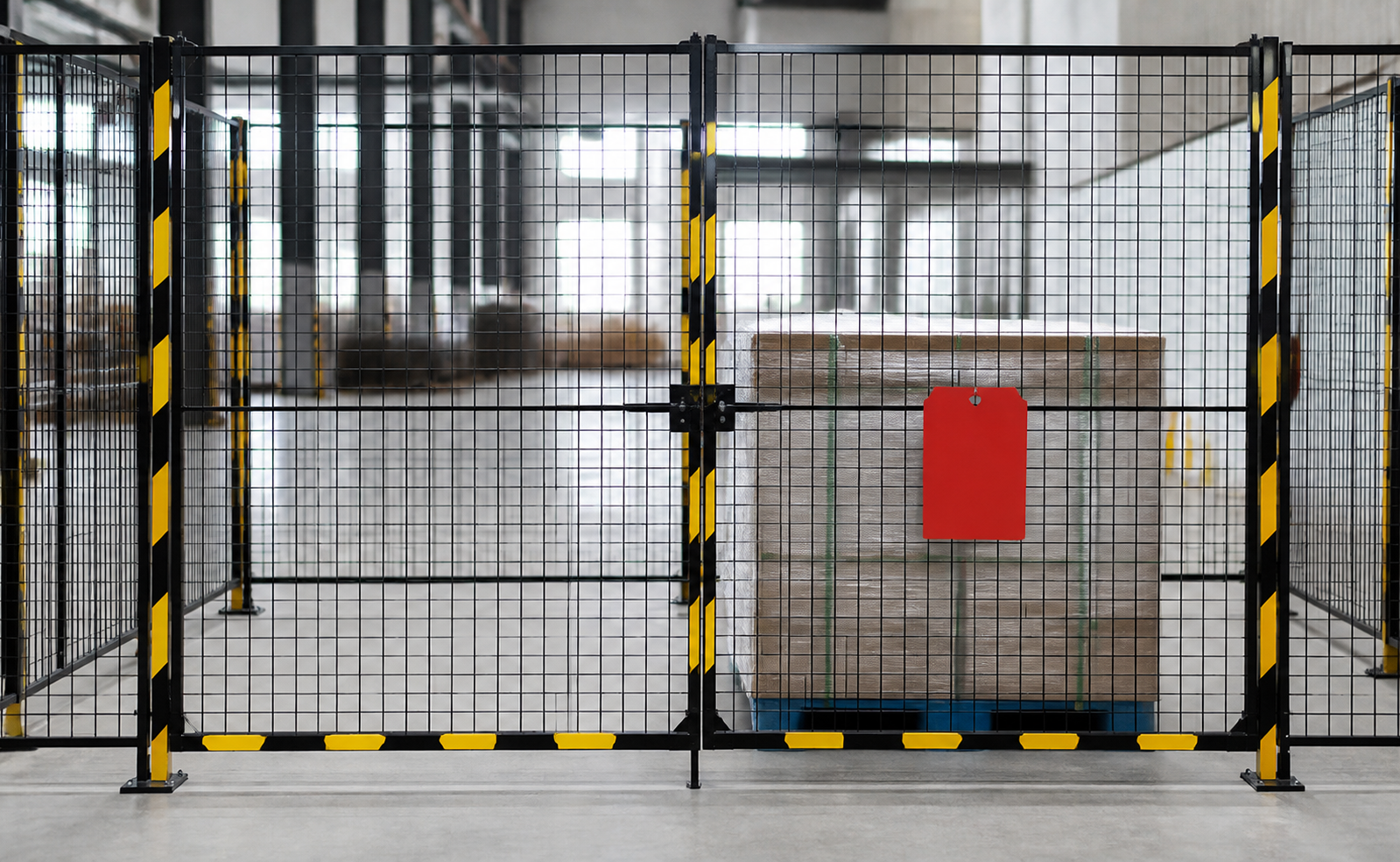
At 4 p.m., incoming inspection quarantines a nonconforming batch of rubber compound behind the yellow line with a red tag. During the night shift, a shortage occurs; because the system still shows available stock, the incoming shift moves the pallet back to the machine.
Why Did Nonconforming Material Return to the Line After Shift Change?
At 4 p.m., incoming inspection identifies a nonconforming batch of rubber compound. The warehouse clerk moves the pallet behind the yellow line and attaches a red tag. During the night shift, a material shortage occurs. Because the system still shows available inventory, the incoming shift moves the pallet back to the machine.
the factory owner is likely to ask: "It was already quarantined, wasn't it?" But a yellow line and a red tag only reflect the judgment at that moment. If the location, batch status, release permissions, and alternative solutions did not all change, quarantine is only temporarily moving the material away.
16:10, Red Card Posted, Inventory Still Available
This is a common gap in mid-sized growing factories. The quality department has the authority to make judgments, the warehouse is responsible for storage, and production bears the pressure of delivery. All three have completed their actions, yet no one takes full responsibility for ensuring that "this material cannot be issued again."
If the system still counts it as available inventory, the planner sees a complete kit. If the warehouse does not have a controlled quarantine location, the forklift operator sees a pallet ready to be dispatched. The night shift also lacks someone who can approve an alternative material. The fastest self-preservation choice is to start the line first.
This article is mainly for factory owners. It is not advisable to blame the forklift operator first. Stopping to verify will affect production, while continuing to feed material may amplify risks. Only rewarding uninterrupted operation will encourage bypassing quarantine.
18:30, Shift Change Split a State into Four Statements
Quality records state "nonconforming," warehouse cards say "pending processing," the planning system still says "available," and the production team only mentions "the rubber compound has issues." The same batch of material appears in four different states, leaving the incoming staff to guess which one is valid based on experience.
U.S. drug manufacturing rules require that each batch continuously indicate its status as pending, approved, or rejected; materials may not be used until appropriate inspection has been completed and approved by the quality department. While industry-specific, this reminder is practical: the identity, status, and disposition of materials must be tied to the same batch.
Another rule is more direct: rejected materials must be controlled by an isolation system to prevent them from entering unsuitable manufacturing activities. True isolation is not about visibility; it is about ensuring that no authorized action can move the material out of that path without permission.
20:00, Lock the Four Entrances Simultaneously First
First, lock the inventory. Once a quality determination is submitted, the batch is immediately removed from available inventory, and any bill-of-material calculations, material requisition suggestions, or replenishment lists must no longer reference it.
Second, lock the location. Physical materials are moved to a single controlled storage location, with transfers and movements scanned for batch and container; even when space is limited, controlled virtual locations must be used, not just floor tape.
Third, lock the permissions. Re-work, return, concession acceptance, or scrap must each have designated approvers. Warehouse staff may move the materials but cannot alter the quality status; production supervisors may request alternatives but cannot unlock the original batch on their own.
Fourth, provide night shift alternatives. Clearly define alternative materials, reworkable work orders, equipment switches, and escalation contacts. Without an executable exit, even strict prohibitions will be overridden by schedule pressure.
Morning Meeting the Next Day: Close the Loop with Reverse Tracing
Do not only focus on the number of pallets remaining in quarantine. Select any rejected batch and trace whether it still appears in available inventory, bill-of-material planning, material requisition forms, shop floor stock, and active work orders; if it can still be accessed anywhere, it indicates that the quarantine process has not been fully closed.
Small factories can start with controlled ledgers and dual-person inventory transfers, medium-sized factories should integrate material status with material release permissions, and mature factories should also check interface caches and offline terminals. The mechanisms can vary in complexity, but the batch status must have a single true value.
the factory owner should have team leaders accept orders, quality personnel handle and escalate issues, warehouse staff complete handover, planners provide alternative routes, and specialized personnel close the batch. It is not acceptable to let the person who actively intercepts the issue take responsibility, nor should it create a situation where more work leads to more errors and less work leads to fewer errors.
What is truly worth looking at are three things: the number of times a rejected batch is still referenced after rejection, the time taken from rejection to physical control, and whether the abnormal batch can be fully traced within ten minutes.
I am Huang Chaoxing, inventor of the TreeMES stack-light MES system. Follow me for insights into the management logic behind frontline stories in manufacturing.