
Before Closing a Production Order: Reconcile Physical Output, Production Reporting, Remaining Materials and Exceptions
Before closing a production order, reconcile four records: physical output, production reporting, remaining materials, and unresolved exceptions.
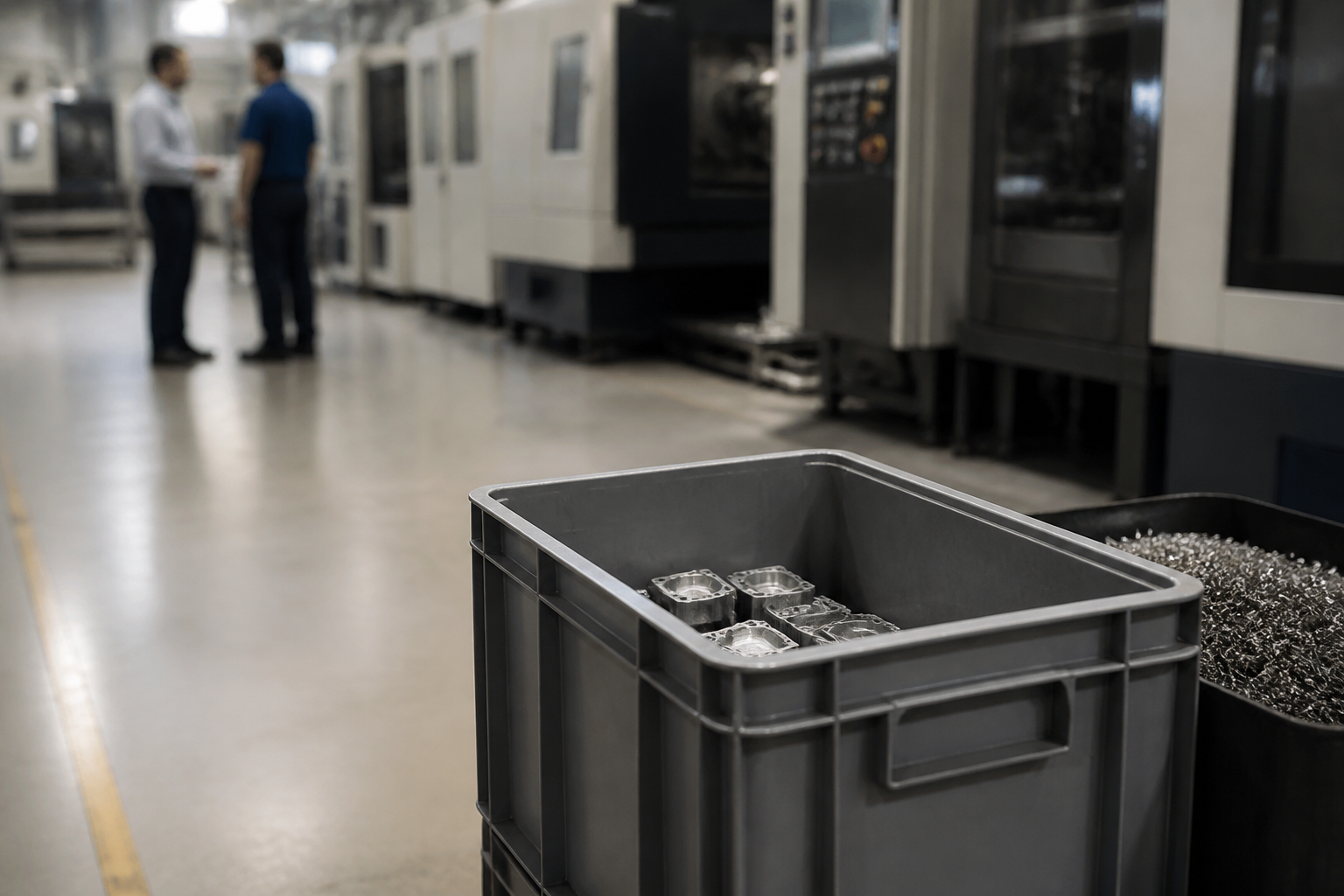
As the month-end approaches, planners urge closing production orders, while the shop floor claims products are completed, and finance awaits cost consolidation. The order is just closed, yet the warehouse finds a box of in-process goods, and half a drum of leftover material remains on the line, with no resolution on a rework sheet. The books are closed, but the shop floor is not truly finished.
Closing an order is not merely changing the status to 'completed,' but confirming that the physical items, production records, materials, and exceptions associated with the order are consistent. Omitting any one step will not eliminate the issue; it will resurface during inventory, delivery, or cost analysis.
Has the physical inventory been accounted for?
First, verify the quantities of conforming, nonconforming, rework, and in-process items against the production order. The focus is not on whether the totals match, but on where each category of physical items is located, who is responsible for them, and what the next step is. Items already transferred to warehouse should have receiving records, while those still on the line should be in containers with clear locations.
Can production reporting explain what actually happened?
Cross-check planned quantity, conforming quantity, scrap quantity, rework quantity, and actual input. Review whether key steps have corresponding records, not just the final process reporting. Any step skipped, merged, or retroactively recorded must have a documented reason and approval.
Have the leftover and substitute materials been tracked?
Verify material issuance, return, scrap, line-side inventory, and substitute material usage against the production order. Leftover materials should not only be marked as 'returned,' but also include quantity, batch, status, and storage location. Reusable, pending inspection, frozen, and scrapped materials must be separated to prevent the next shift from reusing materials with unknown status.
Have the exceptions been resolved?
List all quality, equipment, process, material, and personnel exceptions associated with this production order. Each entry must include current status, responsible role, temporary resolution, and next action. Allow issues to be transferred to subsequent tracking with clear responsibility, but do not use 'production order completed' as a substitute for closing exceptions.
For exceptions affecting product release, confirm the conclusion and applicable scope. Release, rework, scrap, or pending determination must be specified to particular batches and quantities. Simply writing 'processed' does not guide the warehouse or protect downstream processes.
Use a closing card to establish a consistent process
Recommend consolidating the four accounts into one closure card: the shop floor confirms physical inventory, production management verifies production reporting, the warehouse confirms leftover materials, and quality or responsible positions verify exceptions. Each item has a responsible person and completion time, with final confirmation by the authorized person to avoid multiple signatures without a holistic view.
Execution can be divided into three steps: first, complete the four-account verification by field; second, record discrepancies in the handling list; third, review unresolved items the next day. Exceptions are accepted by the responsible role, cross-departmental issues are promptly transferred, and overdue issues are escalated. Conclusions must be closed by authorized personnel, not allowing line supervisors to bear risks beyond their authority.
Factory owners should understand the gains and self-protection choices of each position. The warehouse fears receiving unassigned leftovers, quality fears liability after release, and the shop floor fears delayed closure affecting performance. Writing responsibilities, boundaries, and coordination mechanisms into the closure card can prevent everyone from choosing to do less and make fewer mistakes.
Small factories can start with production orders with high value or high rework rates; medium-sized factories should clearly define cross-departmental response times; maturely managed factories should also audit production orders that undergo reversal, re-entry, or inventory adjustments after closure, specifically targeting process deviations.
the factory owner can forward this checklist to the plant manager, shop floor supervisor, and team leader. Not all factories require the same level of approval; some have combined roles and may not need additional signatures, but actual data cannot be omitted, nor can discrepancies be expanded to blame the shop floor for all issues.
The quality of closure can be tested by one result: a week later, can a new manager explain how much was done, where the materials are, what happened to the raw materials, and how the issues were resolved? If all four accounts can be answered, then the production order can be considered truly closed.
I am Huang Chaoxing, inventor of the TreeMES stack-light MES system. Follow me for more practical factory-management methods.
