
Label Roll Changed—Why Was a Pallet Almost Shipped to the Wrong Customer?
At 4 p.m., the packaging line was preparing the last load of the day. The label printer had switched to a new roll, and the first label appeared clear with a readable barcode, so the operator continued. During the pallet wrapping process, the verification personnel discovered that the product was conforming, the box code was readable, but the customer code remained from the previous order.
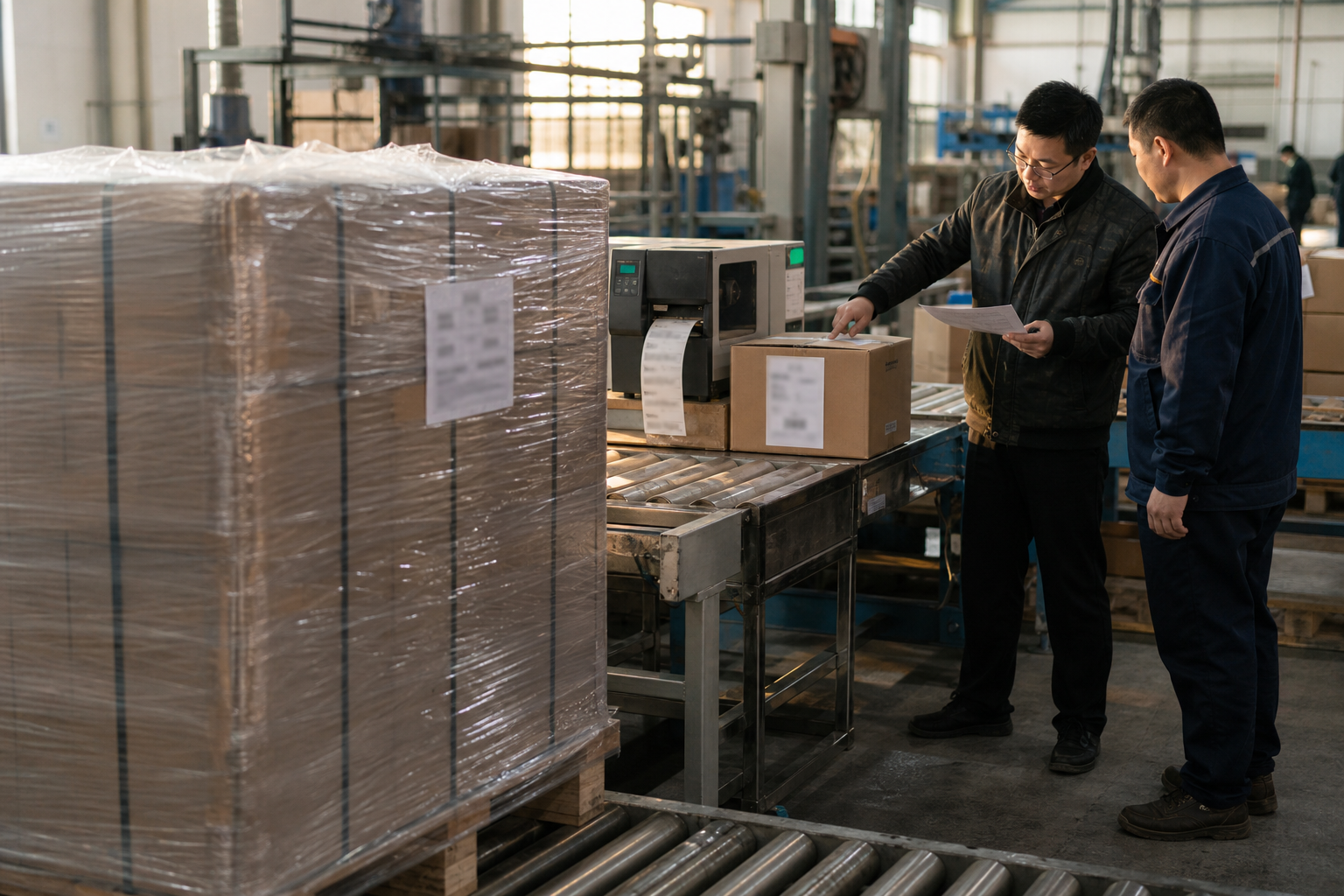
At 4 p.m., the packaging line was rushing to complete the day's final shipment. The label printer had switched to a new roll of paper. The first label appeared clear, and the barcode was readable, so the operator continued with the labeling. By the time the pallet was wrapped, the reviewer discovered that the product was conforming, the box code was readable, but the customer code remained that of the previous order.
Such near-misses are often explained as a simple oversight during paper changeover. However, what owners should really question is: why could a single mistake by an operator pass through four stages—printing, labeling, boxing, and review? If the answer is just retraining, the same issue will return with a different team.
Step One: Get the Old Label Really Off the Shop Floor
When switching orders or rolls, old templates, leftover labels, print buffers, and samples from the previous task may all coexist. To the operator, it's just 'changing a roll of paper,' but to the system, it may still be the previous task. Clearing only the printer without resetting the area and task status allows the error to persist.
A mature label control system treats cleaning as a state transition: the leftover labels from the previous order are counted and isolated, the print queue is reset to zero, and the current work order and customer code are reloaded. The materials on the line should only include those needed for the current order. Who clears, who verifies, and when it is completed must all be documented.
Step 2: The First Verification Must Be Returned to the Order
A successful barcode read only proves the structure is readable, not that the content belongs to the current order. The first label must be verified against the work order, the physical product, and the packaging requirements: whether the product number matches, the customer and version match, and whether the quantity unit and batch rules are consistent.
The reviewer should not only check a single isolated label. A more effective action is to confirm the first piece of product, the outer box label, and the work order information in the same field of view. Only after confirmation can batch printing be released, ensuring the error is caught at the paper level, not at the entire pallet level.
Step 3: Final Review Returns to Order Identity
Many sites only count quantities and check appearances at the packaging stage, scanning the general code. If an incorrect but valid customer code was used earlier, the end result will still show as 'passed.' Therefore, the final pallet's verification cannot rely solely on whether it can be scanned; it must also confirm that the scanned identity matches the shipping task.
Four minimum evidences can be set for each label change: the result of old label clearance, the first-off inspection by a third party, the batch release person, and the last pallet order readback. If any of these four are missing, the pallet remains in a pending state, does not enter the finished goods warehouse, and is not released based on verbal confirmation.
Don’t Put All the Responsibility on the Operator
Operators often face pressure for output and on-time delivery but may not have the authority to halt the entire packaging line. Verifiers may need to oversee multiple lines simultaneously, and plan changes often arrive in the last hour. Simply asking them to 'be more careful' is equivalent to letting individuals fill in the process gaps with their attention.
What factory owners should provide is clear stop-line boundaries and authority: anyone can halt the process if there is any inconsistency in the order, customer, or version. Team leaders should organize verification within a limited time. The planning or quality department should provide the only valid version. After resuming, it should be clear from which box to start the recheck.
This approach is more suitable for mid-sized growing factories with frequent label changes and separated positions. Small, loosely managed factories can consolidate records but cannot skip identity verification. Large or mature factories should clearly define system and shop-floor responsibilities to avoid no one closing the exception after multiple handoffs.
In reality, operators fear being held responsible for line stops, verifiers worry about making more mistakes, and team leaders may choose to handle issues first and record later. Management should establish escalation and cooperation mechanisms, ensuring that those who proactively stop the line have incentives, and that the risk of concealing issues is higher than reporting them honestly.
Select a packaging line with frequent label changes for a trial period of one week. Review the label switch once daily, checking whether the four pieces of evidence belong to the same order and whether they are completed before batch printing. This small action is closer to the root cause than adding an additional end-of-line inspection.
Label errors appear to occur near the printer, but the true control point spans task switching, physical confirmation, and shipment identity. Clearing the status, verifying the first piece accurately, and reading back the last pallet ensures that a wrong label stops at the first piece.
I am Huang Chaoxing, inventor of the TreeMES stack-light MES system. Follow me for in-depth insights into the management logic behind frontline stories in manufacturing.